This Arctic Life \ Scenes from Diskobukta
1. Old trapper huts
2. Making nests
3. The Arctic fox is well adapted to living in cold environments, and has thick fur which is brown in summer and white in winter.


This Arctic Life \ Scenes from Diskobukta
1. Old trapper huts
2. Making nests
3. The Arctic fox is well adapted to living in cold environments, and has thick fur which is brown in summer and white in winter.


This Arctic Life
We spotted blue whales in the Arctic at 2:30 am near the bow of our ship! Blue whales are the largest animal known to have ever lived on earth, and are much larger than the largest dinosaur. They can weigh up to 200 tons or 400,000 pounds and are currently classified as an endangered species.

This Arctic Life
Polar bears dry themselves by rubbing their fur in the snow. We were probably around 100 meters away from this bear in our Zodiac.

This Arctic Life
An old trapper hut built in 1902 at Kapp Lee. The thick fog rolled in quick so we had to leave this landing site in case polar bears decided to show up.

This Arctic Life
The bird cliffs at Diskobukta

This Arctic Life
Kronebreen glacier moves with an average speed of 2 meters per day and has some of the most vivid blues I have ever seen in the wild

This Arctic Life
One last shot before I go again - my favorite polar bear at Inglefieldbreen. Polar bears have transparent hair, black skin, and black tongues and are the largest terrestrial predator on earth. #thisarcticlife (at Svalbard)

Storms coming - the sun won’t set up here in the Arctic until August #thisarcticlife #magichour (at Svalbard)

Jousting walruses at Gravneset #thisarcticlife (at Svalbard)

On our way to the pack ice, less than 600 miles from the North Pole at 80°N 37’ N to search for Polar bears that feed on ringed seals. Pack ice is formed by freezing sea ice and at this point we were the furthest north of any ships apart from ice breakers. #thisarcticlife #packice #northpole #ice (at Svalbard)

The Arctic tern has the longest migration known in the animal kingdom. They migrate between the Arctic and Antarctic regions and have annual roundtrip lengths of about 44,300 miles. They are also infamous for pecking at humans and polar bears, sometimes drawing blood from both. #thisarcticlife (at Svalbard)
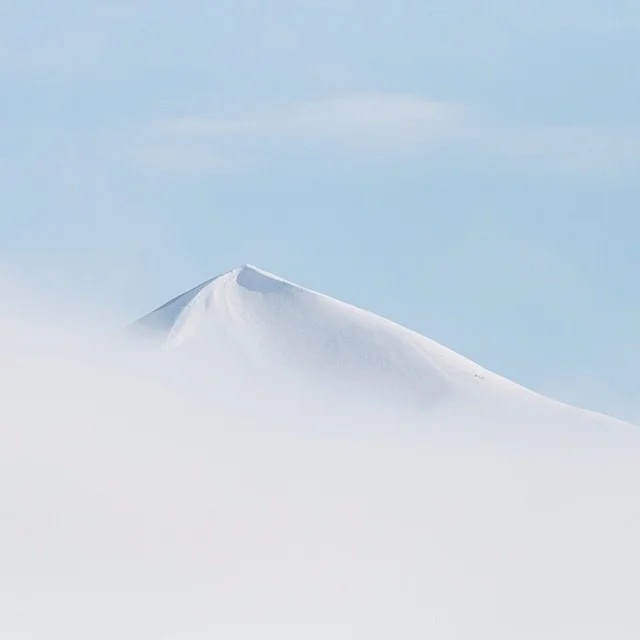
A peak emerges from the clouds in Inglefieldbreen, where we spotted one of my favorite polar bears from a zodiac #thisarcticlife #inglefieldbreen (at Svalbard)

This Arctic Life
A kittiwake coming straight for me at Kongsbreen glacier #thisarcticlife (at Svalbard)
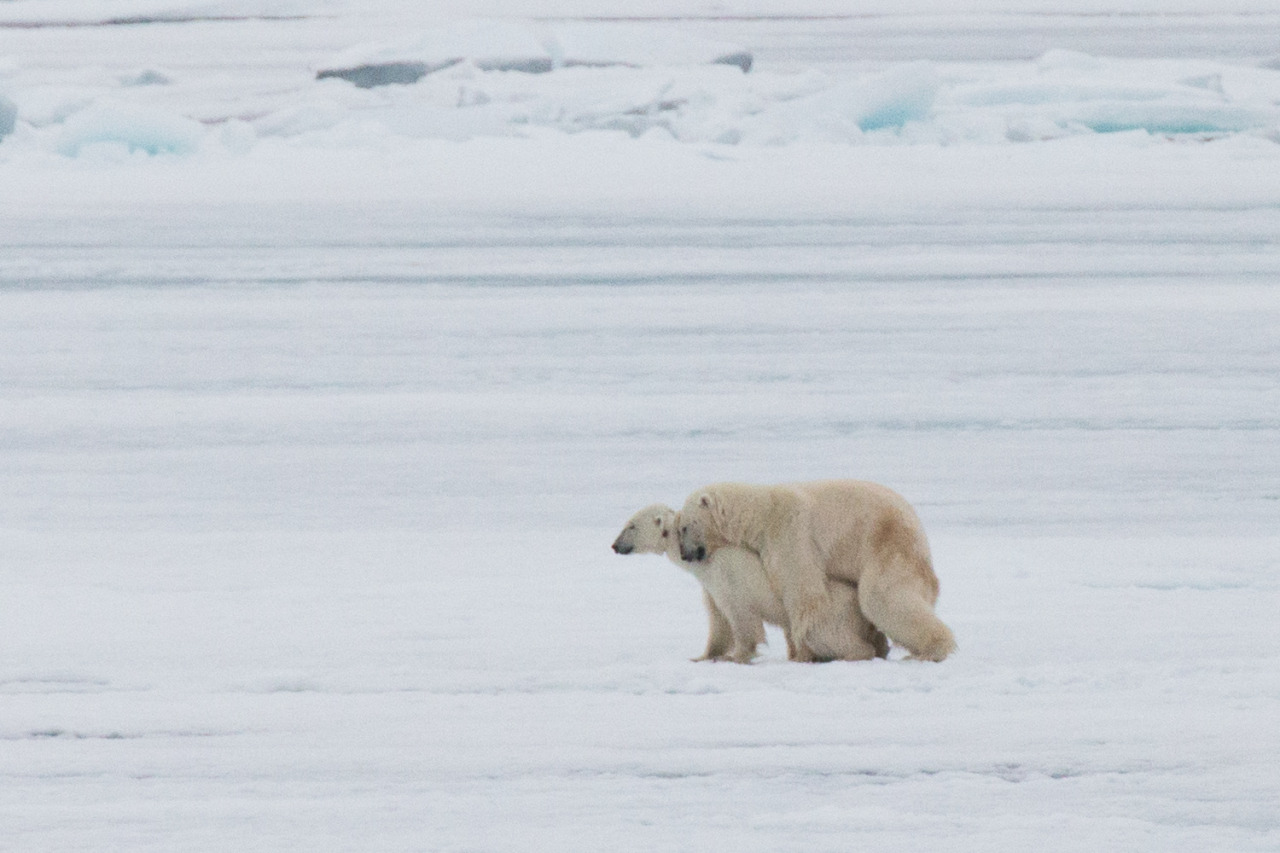
We had a very rare sighting of polar bears mating at 80° 10’3 N, close to the North Pole. Only one of our naturalists (Tom, pictured in one of my previous photos) has ever seen this in the wild #thisarcticlife #polarbears #mating #wildlife (at Svalbard)

The quintessential jumping Arctic glacier photo. #muckboots will make you jump (and will also keep your feet warm and dry) #thisarcticlife (at Svalbard)

I will never forget my first polar bear sighting in Hornsund. It was really special and we had the chance to observe this mother and cub for over an hour. Polar bears are only found in the Arctic and can weigh up to 1,700 pounds. The larger bear pictured here was estimated to weigh about 600 pounds. Whenever we land or go out on Zodiacs we must carry firearms for self defense #thisarcticlife #polarbears (at Svalbard)

We sighted a humpback whale near the bow of our ship. I can’t wait to see one of these bad boys breach! #thisarcticlife #humpbackwhale (at Svalbard)

I AM THE WALRUS \ male walruses can weigh up to 3,700 pounds and I’m pretty sure they inspired the Star Wars character, Jabba the Hutt #thisarcticlife #svalbard #arctic #walrus #wildlife #iamthewalrus #starwars #jabbathehut #makeportraits (at Svalbard)

On a Zodiac expedition searching for polar bears and other wildlife in the Arctic #thisarcticlife (at Svalbard)

“The secret to success is to do what you love.” - Dr. Tom Smith, rifle master and naturalist
Tom is one of the most fascinating guys I have ever met and has some incredible stories that include traveling solo through the Arctic for 2 years on a single journey, living and hunting with the Inuit community, and saving a polar bear’s life by punching it in the face. I’m lucky to be part of this team #thisarcticlife #makeportraits (at Svalbard)